Integration as the Backbone: How iPaaS Enables Scalable Digital Transformation
In today’s business climate, digital transformation is no longer optional — organizations must modernize processes, break down data silos, and become agile to stay competitive. But those transformation initiatives frequently stall or under-deliver. A key enabler that is often overlooked: the integration layer. Enter the concept of Integration Platform as a Service (iPaaS). By unifying systems, automating workflows, and governing data flows, iPaaS platforms become the backbone of scalable digital transformation. In this article we’ll explore how iPaaS drives transformation, why it matters, and what organizations (and partners like Teknuro) can do to make it work.
What is iPaaS and why it matters
At a basic level, an iPaaS is a cloud-native suite of services that allows organisations to integrate applications, data, APIs, and workflows across on-premises and cloud environments. For example, Celigo describes its platform as serving both business teams and IT, enabling low-code integration and automation of business processes. Why it matters: because digital transformation often fails when processes remain fragmented, data remains siloed, and manual handoffs persist. iPaaS provides the connective tissue.
Key mechanisms by which iPaaS drives transformation
1. Breaking down data and application silos.
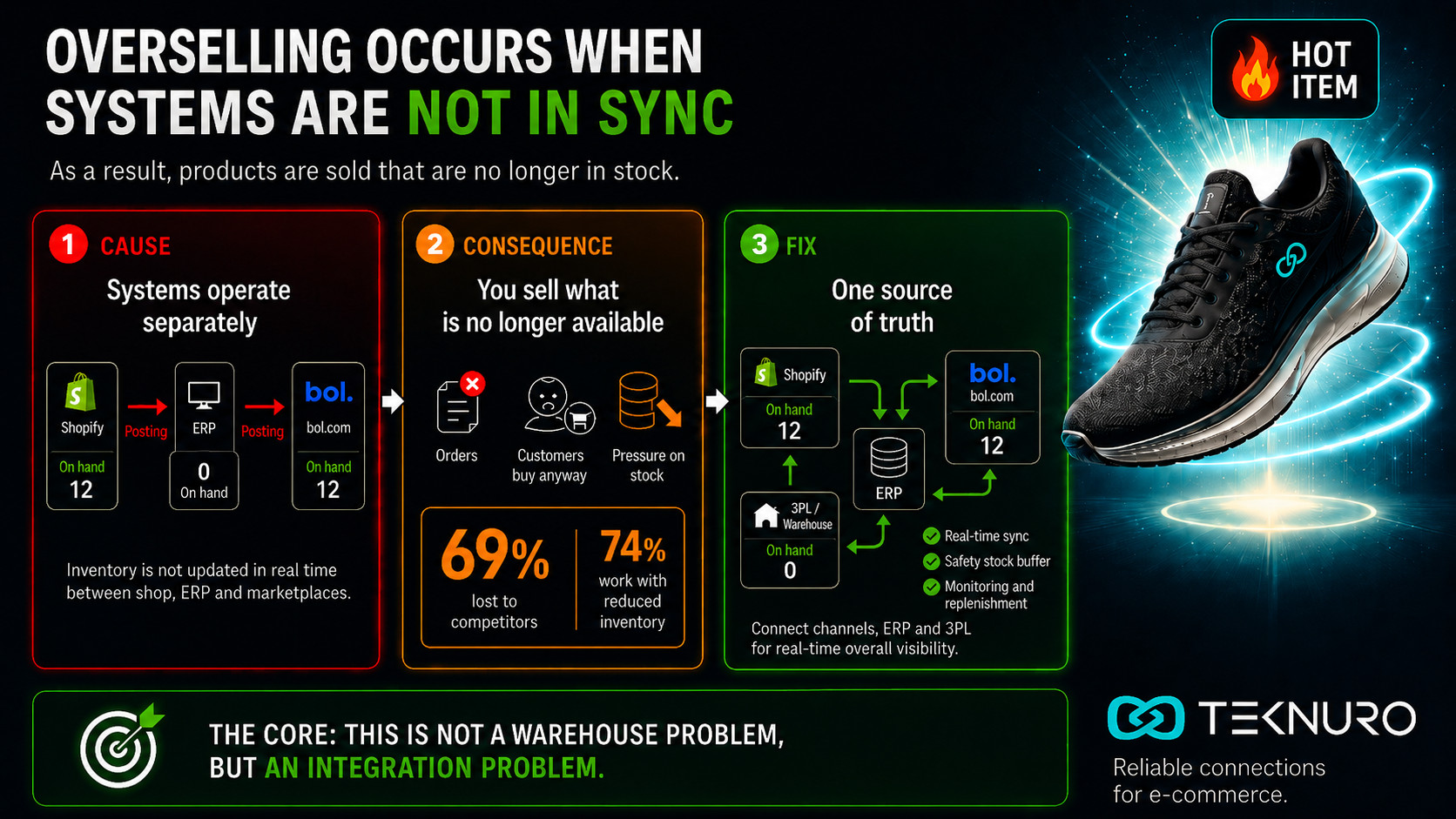
When CRM, ERP, marketing automation, supply chain or other systems cannot talk to each other, organisations struggle to get a unified view of operations or customers. iPaaS connects disparate systems so data flows freely.
2. Enabling automation of business processes.
Once systems are connected, manual task‐chains can be replaced by automated workflows — boosting speed, accuracy, and scalability. As Celigo puts it: iPaaS “forms the foundation for automation” in organisations.
3. Empowering business-led integration (and freeing IT).
Modern iPaaS platforms frequently provide low-code or visual builder interfaces, enabling “business technologists” (non-IT staff) to build integrations within governance models. This speeds delivery, reduces backlog, and fosters agility.
4. Scalability, future-proofing, and adaptability.
Digital transformation is not a one-time project but a journey. iPaaS platforms built for scale, hybrid/ multi-cloud, API-centric flows prepare organisations for change, new acquisitions, evolving business models. IBM notes: “All roads lead to an iPaaS” in the shift toward AI and event-driven architectures.
5. Governance, reuse and operational maturity.
Beyond just linking apps, a mature iPaaS practice treats integrations as products: versioned, monitored, governed. This is critical for ongoing transformation and avoiding “one-off spaghetti” integrations.
Real-world outcomes: transformation in action
- An example: a global food business used an iPaaS to migrate 255 APIs, centralise their integration architecture, improve monitoring, reduce development time and cost — setting a foundation for future innovation.
- More broadly, organisations report that iPaaS enables end-to-end integration, automation, and thus operational efficiency and speed of innovation.
- According to Celigo, an automation strategy built on iPaaS can cut certain business process costs by as much as 30%.
Why transformation fails — and how iPaaS avoids the traps
Many digital transformation efforts fail because they:
- assume technology alone will fix broken processes
- neglect the integration and data layer
- lack agility or treat integrations as tactical, not strategic, iPaaS helps avoid these traps. For example, Celigo’s webinar content emphasises that big transformation initiatives often fail when they grow too fast, become over-ambitious, or don’t build foundational integration capacity first.
How organisations (and partners) should approach iPaaS-driven transformation
-
Start with process first, integration second. Map out which end-to-end business processes (e.g., order-to-cash, procure-to-pay) are critical and which systems must connect.
-
Empower business technologists under IT governance. Let non-IT staff build simpler integrations, while IT handles governance, compliance, and architecture.
-
Select an iPaaS platform that supports scale, reuse and visibility. Platforms like Celigo emphasise pre-built connectors, visual tools, and operations visibility.
-
Treat integrations as products. Version them, monitor them, reuse them. Avoid ad-hoc “connect this one” integrations that don’t scale.
-
Measure outcomes and iterate. Track cycle time reductions, error reductions, cost savings, and agility improvements. Use these to build momentum for further transformation.
-
Leverage experienced partners. When working with a partner (such as Teknuro), it’s about more than tooling — it’s about aligning people, process and technology to ensure transformation success.
Why it matters
Digital transformation is a multifaceted journey of people, process, technology — and integration. Without connected systems, automated processes and data governance, transformation stumbles. An iPaaS-centred strategy gives organisations the structural backbone to unlock agility, scale, innovation and measurable business outcomes. For companies looking to shift from manual, fragmented operations to unified, automated, insight-driven workflows, iPaaS is not just a tool — it’s a foundation. With the right platform, governance, and partner ecosystem, organisations can turn integration from a cost centre into a strategic enabler of digital transformation.